2. Products and Services
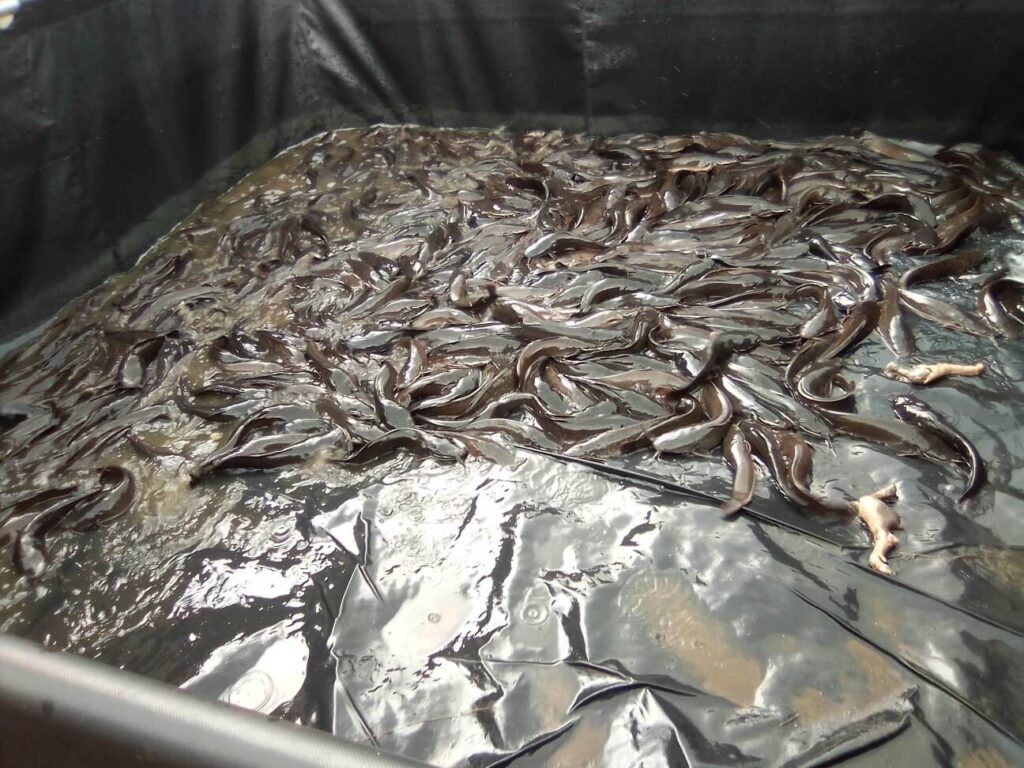
Our modern catfish production business focuses on delivering high-quality catfish to meet the growing demand for fresh and nutritious fish. We specialize in farming and supplying Clarias gariepinus, known as African catfish. Our product offerings include:
Live Catfish:
We will provide live catfish of various sizes to:
- Restaurants and hotels
- Supermarkets and grocery stores
- Individual consumers
Processed Catfish:
We plan to expand into value-added products such as cleaned and processed catfish available in various forms, such as whole, filleted, and cut into steaks, catering to consumers who prefer convenience and ready-to-cook options. Our available options include:
- Smoked catfish: a popular product known for its rich, smoky flavor. The catfish is cleaned, seasoned, and then smoked using traditional methods, typically over wood fires. Smoking not only enhances the flavor but also extends the shelf life of the fish. Smoked catfish is commonly used in various dishes, including soups, and stews, and as a standalone delicacy. It is a favorite in many Nigerian households and markets due to its unique taste and versatility in cooking.
- Dried catfish: another preserved form of catfish. After cleaning and seasoning, the catfish is dried, usually by sun-drying or using specialized drying equipment. Drying reduces the moisture content, which significantly extends the shelf life and makes it easier to store and transport. Dried catfish is often rehydrated before cooking and is used in a variety of traditional Nigerian dishes such as soups and stews. Its long shelf life makes it a convenient option for areas with limited refrigeration.
- Catfish fillets: cut pieces of catfish, usually taken from the sides of the fish, that are boneless or mostly boneless. They are highly versatile and can be used in many recipes, from frying and grilling to baking and poaching. Fillets offer a convenient, ready-to-cook option for consumers who prefer not to deal with bones. They are popular in both domestic kitchens and commercial food services for their ease of preparation and the consistent quality of meat.
Each of these products offers unique benefits and appeals to different customer preferences, making them valuable additions to our modern catfish production business.
3. Catfish Farming Market Analysis
The market analysis section provides an overview of the catfish farming industry, focusing on market trends, target customers, competitive landscape, and market potential. By understanding these factors, we can identify opportunities and develop strategies to effectively position our modern catfish production business in the market.
Market Size and Growth:
The Nigerian catfish market is experiencing significant growth due to increasing demand for protein and rising consumer awareness of the health benefits of fish.
Nigeria is the largest producer of catfish in Africa, accounting for over 67% of the continent’s production (ScienceOpen.com). According to the Food and Agriculture Organization (FAO), Nigeria produced approximately 1 million tons of catfish in 2021, valued at around USD 2.6 billion.
The Nigerian Bureau of Statistics (NBS) also highlights that the catfish aquaculture industry has been growing steadily over the years, with an increasing number of small-scale farmers contributing significantly to this growth.
The catfish value chain in Nigeria supports around 285,000 producers, with small-scale farmers making up over 60% of this number. The industry employs approximately 1 million people, making it a vital sector for the country’s economy and food security.
The Nigerian government, through the Ministry of Agriculture and Rural Development, has set a target to achieve self-sufficiency in fish production by formulating policies and strategies that create an enabling environment for enhanced fish production. This includes promoting catfish farming as a profitable and sustainable means of fish production.
Target Market:
Our target market includes various customer segments, each with distinct needs and preferences. Here’s a breakdown of our primary and secondary target markets:
Primary Segments:
- Local Consumers: These are prospective customers within our immediate reach. Direct-to-consumer sales through direct contact, online platforms, farmers’ markets, and potentially a dedicated retail outlet.
- Demographics: Urban and rural households, middle to high-income earners, and health-conscious individuals.
- Needs and Preferences: Fresh, nutritious, and affordable catfish products. Preference for live catfish, processed catfish, and smoked catfish.
- Purchase Behavior: Regular purchases from local markets, supermarkets, and direct sales.
- Restaurants and Food Services: These are eateries and fast food joints within our geographical region.
- Demographics: Local and regional restaurants, hotels, catering services.
- Needs and Preferences: High-quality, ready-to-cook catfish fillets, smoked catfish, and processed catfish. Consistent supply and competitive pricing.
- Purchase Behavior: Bulk purchases, often on a weekly or monthly basis, with a focus on reliable and timely delivery.
Secondary Segment:
- Retail Stores and Supermarkets: These are grocery stores and supermarkets that stock catfish to meet customers demand.
- Demographics: Supermarkets, grocery stores, and specialty fish markets.
- Needs and Preferences: Variety of catfish products, including live catfish, processed catfish, and smoked catfish. Attractive packaging and extended shelf life.
- Purchase Behavior: Regular bulk purchases, emphasis on product quality and shelf life.
- Other Fish Farmers: These are colleagues who may need supply to meet their customers’ demand during and out of season.
- Demographics: Small-scale and large-scale fish farmers, and aquaculture cooperatives.
- Needs and Preferences: High-quality catfish for breeding and keeping up with demand.
- Purchase Behavior: Seasonal purchases based on farming cycles, focus on healthy and mature catfish to meet with demands.
- Export Markets
- Demographics: International buyers, especially in regions with high demand for African catfish.
- Needs and Preferences: Processed and smoked catfish products that meet international quality standards. Reliable supply chain and export compliance.
- Purchase Behavior: Bulk purchases, are often coordinated through export agreements and partnerships.