Market Trends and Insights
- Rising Demand: There is an increasing demand for catfish products in Nigeria, driven by growing awareness of the health benefits of fish consumption and a preference for locally produced food.
- Urbanization: Urbanization is contributing to higher demand for convenient and ready-to-cook catfish products.
- Health Consciousness: Consumers are becoming more health-conscious, leading to a preference for fresh and nutritious fish products.
- Export Opportunities: There are significant opportunities to tap into international markets, particularly in regions with a large African diaspora.
By targeting these market segments and understanding their unique needs and preferences, we can effectively position our catfish production business to meet demand and achieve sustainable growth.
Catfish Farming Competitive Analysis:
Some of the key players in the Nigerian catfish farming industry are listed in the table below. We also include their strengths and weaknesses.
| Farm Name | Location | Specialization | Key Strengths | Key Weaknesses |
| Dickem Farms | Lagos | Catfish feed, equipment, training | Extensive experience, comprehensive services | High operational costs |
| Jigna Farms | Abuja | Advanced water recycling systems | Large-scale production capacity | Requires significant capital investment |
| Humurat Ajile Integrated Farms Ltd | Ibadan | Catfish, tilapia farming | Diversification, quality fish breeds | Limited market reach |
| Pearl Aquafarms Limited | Osun State | Sustainable aquaculture practices | Environmental sustainability | Higher production costs |
| Oasis Farms Limited | Ogun State | Integrated fish production | Holistic approach, seamless supply chain | Requires extensive management |
Following are our immediate competitors alongside their strengths and weaknesses. This competition matrix will help us determine our advantage to wrestle out a market share within the local and national markets.
| Farm Name | Location | Specialization | Key Strengths | Key Weaknesses |
| Uncle Joe’s Catfish Farm | Port Harcourt | Small-scale catfish farming | Low startup costs, flexibility | Limited production capacity |
| Express Precious Catfish Farming | Calabar | Small-scale catfish farming | Community-oriented, local market focus | Limited resources |
| Otuo Fish Farmers Multi-Purpose Cooperative Society | Imo State | Small-scale catfish farming | Cooperative support, shared resources | Limited individual control |
Competitive Analysis Summary
- Large-Scale Commercial Farms: These farms have the advantage of advanced technology, large production capacities, and comprehensive services. However, they also face higher operational costs and require significant capital investment.
- Smaller-Scale Backyard Operations: These operations benefit from lower startup costs, flexibility, and community support. However, they have limited production capacities and resources.
Therefore, the strengths and weaknesses of both large-scale and smaller-scale operations, positions our catfish farming business to leverage the advantages and address the challenges in the Nigerian catfish farming industry.
Our Competitive Advantages:
- Focus on high-quality, healthy, and sustainably sourced catfish. We are Implementing a strict quality control process to ensure food safety and customer satisfaction.
- Stronger focus on value-added products: Diversifying beyond live fish sales to increase revenue streams and cater to different consumer preferences.
- Modern marketing and sales strategies: Leveraging online platforms and digital marketing to reach a wider audience.
4. Marketing Plan
The marketing plan is a critical component of our business strategy, outlining the approaches and tactics we will use to reach our target market, promote our products and services, and achieve our sales objectives.
Marketing Strategies:
We shall adopt the following strategies to attract and retain customers, differentiate ourselves from competitors, and build a strong brand presence in the market.
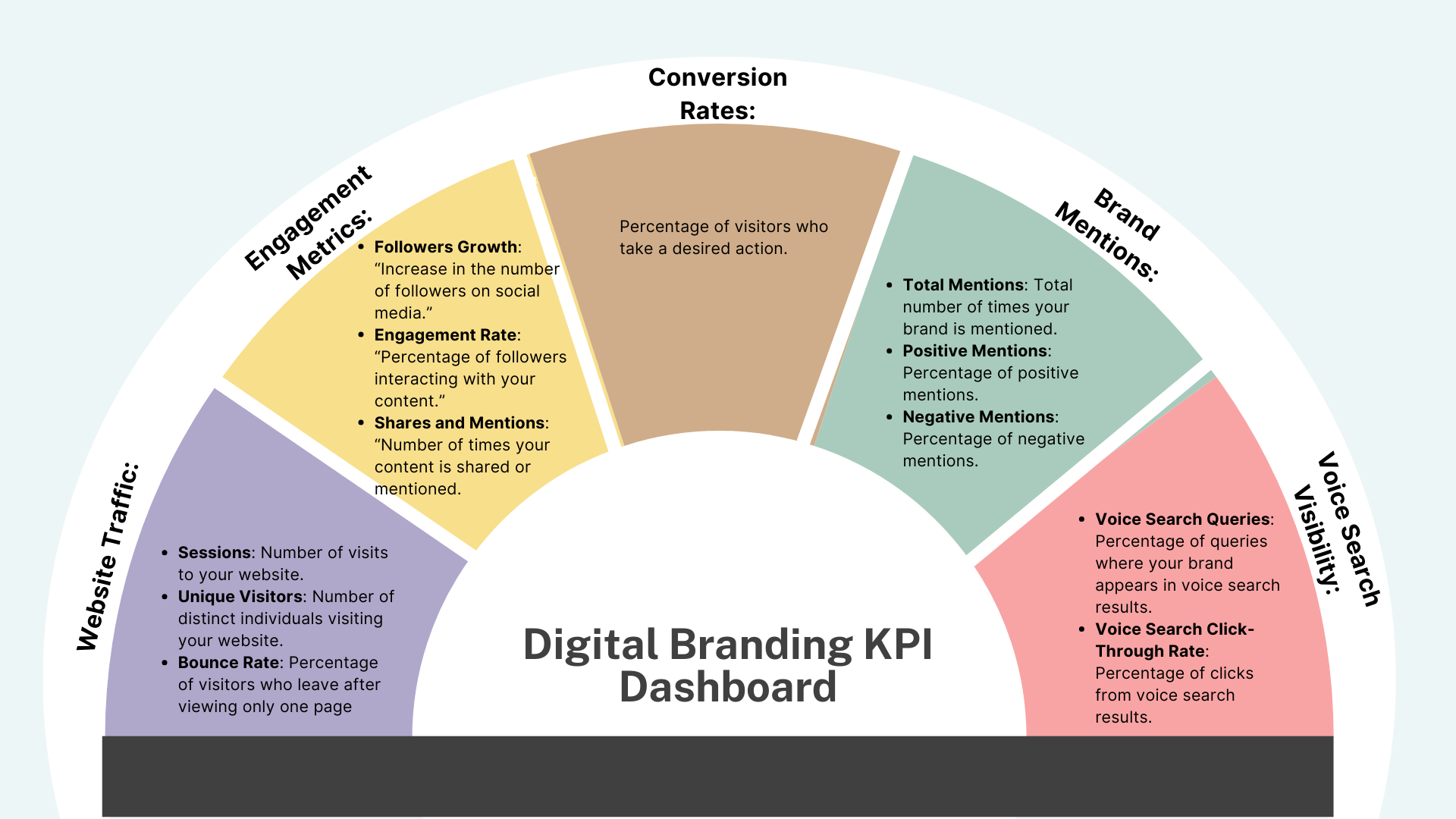
- Digital Marketing:
- Social Media Marketing: we shall utilize platforms like Facebook, Instagram, and TikTok to showcase our farm, products, and brand. Run targeted ads to reach specific customer segments.
- Content Marketing: We shall continually create informative blog posts, videos, and infographics about catfish farming, healthy eating, and recipes featuring catfish. This will help us to educate our customers and draw the attention of prospective customers.
- Online Advertising: Based on our budget, we shall use Google Ads, Facebook Ads and other online advertising platforms to reach potential customers searching for fish products.
- Offline Marketing:
- Local Partnerships: We intend to collaborate with local restaurants, supermarkets, and farmers’ markets. This will help us integrate our products in the existing market space.
- Public Relations: Also, we shall engage with local media outlets to generate positive press coverage and build brand awareness.
- Events and Promotions: We shall also participate in local food festivals and organize farm tours to showcase our products.
Pricing Strategy:
To establish a competitive pricing strategy for our catfish products, we need to consider the prevailing market prices in Nigeria and ensure our prices are attractive to customers while maintaining profitability. Here’s our proposed and structured approach:
1. Market Research
Based on recent data, the retail price range for catfish in Nigeria is between ₦2,700 and ₦4,500 per kilogram (approximately $1.73 to $2.89 per kilogram using the current exchange rate).
Wholesale prices range from ₦2,400 to ₦4,000 per kilogram (approximately $1.54 to $2.57 per kilogram using the current exchange rate).
2. Competitive Analysis
We need to analyze the pricing strategies of our competitors, including large-scale commercial farms and smaller-scale backyard operations. This will help us understand the market positioning and identify opportunities for differentiation.
3. Pricing Model
We can adopt a tiered pricing model to cater to different customer segments. We are proposing the following model:
- Premium Pricing: For high-quality, processed, and smoked catfish products targeting upscale markets and restaurants.
- Mid-Range Pricing: For standard live catfish and fillets, appealing to middle-income consumers and local markets.
- Economy Pricing: For bulk sales to other fish farmers and cooperatives, offering competitive prices for live and smoked catfish in large quantities.
4. Discounts and Promotions
Our farm shall implement seasonal discounts, bulk purchase offers, and loyalty programs to attract and retain customers. Promotional campaigns can be run during peak demand periods to boost sales while terms and conditions will be strictly adhered to.
5. Monitoring and Adjustment
Our farm shall regularly monitor market trends, competitor pricing, and customer feedback to adjust our pricing strategy as needed. This ensures we remain competitive and responsive to market changes.